Cryotherapy for Back Pain: A Modern Approach to Recovery
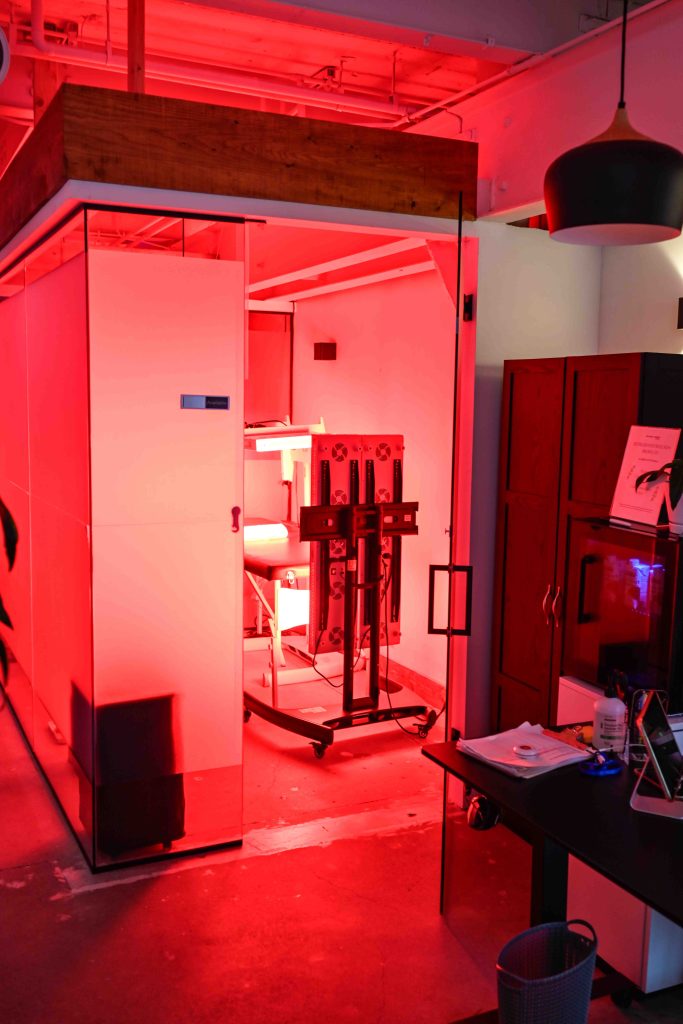
Back pain has a way of shrinking a person’s world. At first, it is just an annoyance when getting out of bed or sitting through a long drive. Then it starts changing decisions. You hesitate before lifting a grocery bag. You avoid the gym. You count the minutes through a work meeting because your lower back is tightening again. For many people, the search for relief leads beyond rest, stretching, and over the counter anti-inflammatory medication. That is where Cryotherapy enters the conversation.
Cryotherapy is not new in principle. Athletes, physical therapists, and orthopedic specialists have used cold to calm pain and inflammation for decades. What feels modern is the range of methods now available, from simple ice packs to localized cold air devices and whole-body cryotherapy chambers marketed in wellness clinics. The interest is understandable. Cold treatment can reduce soreness quickly, blunt inflammatory activity, and make movement more tolerable. But back pain is rarely simple, and cold is not a universal answer. Used well, Cryotherapy can be a useful tool in recovery. Used at the wrong time or for the wrong type of pain, it can be frustrating or even counterproductive.
The key is understanding what cryotherapy actually does, where it helps, and how it fits into a larger back pain treatment plan.
Why cold still works in an age of high-tech recovery
Despite the sleek branding around modern recovery clinics, the physiology behind Cryotherapy is straightforward. When cold is applied to tissue, blood vessels in the area narrow, local nerve conduction slows, and metabolic activity in the tissue drops. In practical terms, that can mean less swelling, less pain signaling, and a temporary numbing effect that makes movement easier.
That matters most when back pain has an inflammatory component. A strained lumbar muscle after lifting something awkwardly often responds well to cold in the first day or two. So can acute flare-ups after a sports injury, repetitive overuse, or an episode where the back “goes out” after a twist. In those moments, heat can sometimes make the area feel looser but may also increase throbbing or swelling. Cold, by contrast, tends to quiet things down.
Clinically, this is one of the most common distinctions practitioners make. Acute, hot, irritated pain often likes cold. Chronic, stiff, guarded pain often prefers warmth or movement. Of course, real patients do not read textbooks. Plenty of people with chronic low back pain also get acute flare-ups, and some need both approaches at different times in the same week. Good recovery work depends less on loyalty to one method and more on reading the tissue honestly.
What Cryotherapy can and cannot do for back pain
One of the biggest misunderstandings around Cryotherapy is the idea that if it reduces pain, it must be healing the cause. That is not always true.
Cryotherapy is best thought of as a symptom management and recovery support tool. It can create a window of relief. In that window, a person may be able to walk more normally, tolerate physical therapy, perform stabilization exercises with better form, or simply get through the workday with less guarding. Those are meaningful benefits. In many cases, they are exactly what recovery needs.
What it usually does not do is correct the deeper drivers of recurring back pain. It will not strengthen a weak trunk. It will not undo a sedentary lifestyle, poor lifting mechanics, disc degeneration, spondylolisthesis, spinal stenosis, or severe nerve compression. If someone has persistent radiating pain down the leg, progressive weakness, or bowel and bladder changes, cold therapy is far too small an intervention for the seriousness of the situation.
This is where clinical judgment matters. Back pain can come from muscle strain, irritated facet joints, disc https://dominickimwh276.bearsfanteamshop.com/how-cryotherapy-sessions-work-from-start-to-finish injury, sacroiliac dysfunction, postural overload, arthritis, or nerve irritation. Cryotherapy tends to help most when inflammation and pain sensitivity are prominent. It tends to help less when the main issue is stiffness from prolonged inactivity or deep muscular spasm that eases with warmth.
The different forms of Cryotherapy people use
When most people hear Cryotherapy, they imagine stepping into a freezing chamber for two or three minutes. That is only one option, and it is not necessarily the best starting point for back pain.
The oldest form is still the most accessible: local cold application. Ice packs, gel packs, crushed ice wrapped in a damp towel, and professionally designed cold compression units all fall into this category. For many acute low back strains, this remains the most practical method. It is targeted, inexpensive, and easy to repeat at home.
Then there is localized cryotherapy delivered in clinics. This often involves a technician using a device that blows extremely cold air or vapor onto a specific region, such as the lower back. Treatments are brief, usually a few minutes, and designed to cool the tissue rapidly without direct skin contact from ice. Some patients prefer it because it feels cleaner and less cumbersome than balancing an ice pack against the lumbar spine.
Whole-body cryotherapy is the most marketed version. A person stands in a chamber or enclosure cooled to extremely low temperatures for a short period, usually two to four minutes. The exposure is intense but brief, and the goal is broader systemic effects, such as reduced soreness, a temporary endorphin lift, and overall recovery support. Some people with diffuse pain or generalized post-exercise soreness report feeling noticeably better afterward. For isolated mechanical back pain, however, whole-body exposure is more of a wellness adjunct than a precision treatment.
In day-to-day practice, local treatment usually gives the clearest value for the money. Whole-body cryotherapy may feel impressive, but if the pain is concentrated in the low back after a lifting injury, a targeted approach often makes more sense.
When it tends to help most
The strongest case for Cryotherapy is in the early phase after an acute aggravation. Someone tweaks their back loading luggage into a car, spends the next six hours tightening up, and wakes the next morning feeling inflamed and guarded. Cold can be helpful here because it addresses pain and secondary swelling while discouraging the urge to overheat an already irritated area.
It also has value after intense physical activity. Recreational golfers, rowers, lifters, and runners often notice back soreness after sessions that overload the lumbar muscles or surrounding fascia. In these cases, a brief cold treatment can reduce next-day soreness and make normal movement easier.
There is another use that gets less attention but matters in rehabilitation settings: reducing symptoms enough to allow better movement quality. A patient who arrives at physical therapy with pain at 7 out of 10 may move defensively, brace excessively, and struggle to engage the right muscles. After a short cold application, the pain might drop to 4 or 5. That shift can make therapeutic exercise more effective. The cold did not fix the problem, but it improved the conditions for treatment.
When cold is the wrong choice
This is where blanket advice falls apart. Not every painful back wants to be iced.
A person with chronic morning stiffness from degenerative changes often feels better after heat, walking, and gentle mobility work. Someone whose low back is locked up after sitting for ten hours may find that cold increases tension and makes the muscles feel more rigid. In longstanding, non-inflammatory pain states, cold can sometimes amplify the sense of tightness even if it dulls pain briefly.
It is also important to distinguish muscle soreness from nerve pain. If someone has classic sciatica symptoms, shooting pain down the leg, burning, tingling, or numbness, Cryotherapy may help calm the irritated area around the low back, but results are often mixed. Nerve-related pain can be unpredictable. Some people love cold. Others strongly prefer heat. The only reliable approach is cautious trial, paired with appropriate medical evaluation if symptoms persist.
Practical use at home
For many people, the best version of Cryotherapy is also the simplest. A reusable cold pack in the freezer, a towel, and a reliable schedule can go a long way.
The low back is a slightly awkward area to treat because the natural curve of the spine can keep the cold source from making full contact. A flexible gel pack tends to work better than a stiff block of ice. Lying on the back with knees bent can help mold the pack into the lumbar area. Some patients do better lying on one side and placing the pack just above the belt line where the tenderness is most concentrated.
Duration matters. Longer is not better. Very prolonged icing can irritate the skin and produce excessive numbness without meaningfully improving outcomes. In most cases, short, controlled applications are the smarter choice.
Here is a practical routine that works well for many acute flare-ups:
- Apply a cold pack wrapped in a thin towel for about 10 to 15 minutes.
- Remove it and allow the skin to return to normal temperature before repeating later.
- Use it several times over the first 24 to 48 hours if pain is clearly aggravated by inflammation.
- Pair the cold with gentle walking rather than complete bed rest.
- Reassess daily, if the back feels more stiff than inflamed after a couple of days, heat or movement may become more useful.
That last point is often overlooked. Recovery methods should evolve. A low back strain that loves ice on day one may respond better to mobility work and heat by day three or four.
What whole-body cryotherapy adds, and what it does not
Whole-body cryotherapy has a strong visual appeal. The chamber, the mist, the timer, the burst of intense cold, it all feels modern and deliberate. Some patients enjoy the ritual and describe a short-lived sense of reduced pain, increased alertness, or even a mild mood lift afterward. There may be value in that, especially for people dealing with diffuse soreness, heavy training loads, or a general sense of inflammation.
Still, it is worth being practical. For focal back pain, whole-body cryotherapy is less direct than a targeted treatment. It may improve overall pain sensitivity and perceived recovery, but it does not specifically reach deep lumbar structures in a way that is guaranteed to outperform local cold application. It is also more expensive, and benefits can be transient.
In sports settings, I have seen whole-body cryotherapy work best as part of a larger recovery culture rather than as a standalone fix. Athletes who sleep well, manage training load, stay strong through the trunk and hips, and use recovery modalities strategically tend to get the most out of it. People searching for a miracle cure for long-running back pain usually end up disappointed.
The role of Cryotherapy after exercise and training
Back pain does not always come from injury. Sometimes it comes from effort. A deconditioned person starts deadlifting again, or a weekend athlete spends three hours gardening, and the low back muscles protest the next morning. In those situations, Cryotherapy can help reduce delayed soreness and restore function more quickly.
There is, however, an interesting trade-off. Some sports medicine professionals are careful about aggressive post-exercise cold use after every workout because inflammation is part of the adaptation process. Blunting that response too often may theoretically reduce some training gains, particularly if cold exposure is used immediately after every strength session. The evidence is nuanced, but the principle is useful. Recovery should match the goal.
If the goal is to recover between competitions or calm a painful flare-up, Cryotherapy has a stronger case. If the goal is long-term adaptation to training and the soreness is manageable, routine heavy cold exposure after every session may not be necessary. A bit of discomfort is not always a problem to solve.
Where it fits alongside physical therapy, medication, and manual care
The most effective back pain plans are rarely built on one tool. Cryotherapy is often most useful when it supports another intervention.
Consider a common pattern in outpatient rehab. A person arrives with an acute lumbar strain. In the first phase, cold is used to reduce pain and swelling. Once movement becomes easier, the focus shifts to gentle range of motion, walking, and restoring confidence in bending and standing. Later, the program progresses to trunk endurance, hip strength, and movement retraining. If the patient relies only on ice and never rebuilds capacity, the pain often returns the next time life demands something physical.
The same is true with medication. Nonsteroidal anti-inflammatory drugs may reduce pain, but they do not teach the back how to tolerate load. Massage may feel great, but the relief can fade if the person returns to poor mechanics and weak support musculature. Spinal manipulation can help certain presentations, but it is not a substitute for strengthening and movement tolerance.
Cryotherapy belongs in this group of supportive treatments. It can lower the volume on pain. It cannot write the entire recovery story by itself.
Safety and the people who should pause before trying it
Cold treatment is generally safe when used sensibly, but it still deserves respect. The back has a large surface area, and people sometimes leave packs in place too long because the pain relief feels pleasant. Skin irritation, superficial cold injury, and rebound discomfort are avoidable if exposure is time-limited and protected by a barrier.
Certain people should be especially cautious or avoid cryotherapy unless guided by a clinician:
- People with poor sensation in the area, including some forms of neuropathy.
- Those with circulation problems or cold sensitivity disorders.
- Anyone with open wounds or skin conditions where cold may worsen irritation.
- Patients with severe or unexplained back pain accompanied by fever, major weakness, or loss of bladder or bowel control.
- Individuals who become dizzy, panicky, or unwell during intense cold exposure, especially in whole-body settings.
Whole-body cryotherapy clinics should also screen for cardiovascular concerns and other contraindications. The treatment is brief, but the exposure is intense, and not every wellness setting applies medical-grade caution.
Cost, convenience, and whether it is worth paying for
The home version of Cryotherapy is hard to beat for value. A decent cold pack costs little, lasts for years, and can be used repeatedly. For acute back pain, that is often enough.
Localized clinic cryotherapy can be worthwhile if someone responds well to cold and wants supervised, targeted treatment. It may also suit people who struggle to position ice at home or want a session integrated into a broader rehab visit.
Whole-body cryotherapy is the costliest option. Depending on the region, a single session may range from modestly priced to surprisingly expensive, and packages can add up quickly. Whether it is worth it depends on the person. For an elite athlete managing repeated training stress, it may fit. For an office worker with intermittent low back pain from deconditioning and long hours of sitting, that money is often better spent on physical therapy, coaching, or a structured exercise program.
That may sound less glamorous, but it is honest. Most stubborn back pain improves more reliably when people build resilience than when they collect recovery gadgets.
A realistic example from practice
Take a typical case: a 42-year-old recreational tennis player develops acute right-sided low back pain after serving repeatedly in a weekend tournament. The area feels hot, sore, and sharp when bending. Sitting in the car ride home makes it worse. That evening, local Cryotherapy for 10 to 15 minutes at a time helps settle the pain. The next day, the player can walk more comfortably and starts gentle movement. By the third day, the pain is less angry but the back feels stiff, especially first thing in the morning. At that point, alternating strategies makes sense. Cold may still help after activity, but light mobility work, heat before exercise, and progressive strengthening become more valuable.
Now compare that with a 67-year-old who reports a year of aching low back stiffness that improves after a hot shower and a short walk. No recent injury, no swelling, just chronic tightness and reduced tolerance for standing. Cryotherapy is less likely to be the star here. It might dull discomfort briefly, but it may also leave the area feeling tighter. This person often does better with movement, heat, and a graded strengthening plan.
Same body region, different problem, different response.
The bigger picture in recovery
Back pain invites desperation because it interferes with such basic parts of life. When pain eases with cold, it is tempting to keep reaching for that relief over and over. There is nothing wrong with that in the short term. The mistake is stopping the thought process there.
The real questions are these: Why did the pain start? What movements provoke it? What physical capacities are missing? Is there inflammation that needs calming, or stiffness that needs mobility, or weakness that needs loading? Cryotherapy can help answer only one part of that puzzle.
Used thoughtfully, it is effective, low-risk, and genuinely useful. It can reduce pain during an acute flare, improve comfort after hard activity, and create a better starting point for exercise or rehabilitation. It earns its place in modern back care because it works for the right problem at the right time.
What separates a smart recovery plan from a trendy one is not the temperature of the treatment. It is the quality of the reasoning behind it.
SDBody Mission Hills
Address: 1747 Hancock St Ste C, San Diego, CA 92101
Phone number: +16197720252
FAQ About Cryotherapy
What does cryotherapy do for your body?
Cryotherapy exposes the body to extremely cold temperatures for a few minutes to trigger natural healing and recovery responses.
What are the negatives of cryotherapy?
The primary negatives of cryotherapy include skin burns, frostbite, temporary nerve irritation, and temporary spikes in blood pressure caused by extreme cold.
How much does cryotherapy typically cost?
A single session of non-medical cryotherapy typically costs between $40 and $100. However, prices vary significantly depending on the specific type of treatment, your location, and whether you purchase a membership or package.